Beyond the Classroom: Building Skills for Lifelong Success
31 Jul, 2026


Ask any parent what they want for their child, and the answer is almost always the same: a good future. Yet when it comes to school, most conversations quickly reduce to exam scores, ranks, and percentages. While academic results certainly matter, they represent just one thread in a much larger fabric. The real importance of school education lies in something harder to measure, how it shapes the way a child thinks, communicates, handles pressure, and grows into an adult capable of navigating a complex world. The years spent in school are not simply preparation for a career; they are the foundation on which an entire life is built.
School is where children encounter the world for the first time on their own terms. It is where they learn to solve a problem they have never seen before, handle disagreement with a classmate, accept failure in a test, and try again. These are not accidental by-products of schooling, they are its core outcomes.
A well-structured school environment shapes thinking patterns, decision-making habits, and behavioural frameworks that students carry well into adulthood. The discipline of arriving on time, the curiosity sparked by a teacher who asks rather than tells, the confidence built through a school debate, none of these appear on a mark sheet, but all of them appear in the workplace, in relationships, and in life. Schools that understand this responsibility do not simply deliver a curriculum; they build character.
The ability to express ideas clearly, whether in writing, in conversation, or in front of an audience, is among the most valuable skills a person can possess. Schools develop this through essays, presentations, discussions, and even everyday classroom participation. Students who learn to articulate their thoughts confidently in school carry that skill into every job interview, client meeting, and leadership role they encounter.
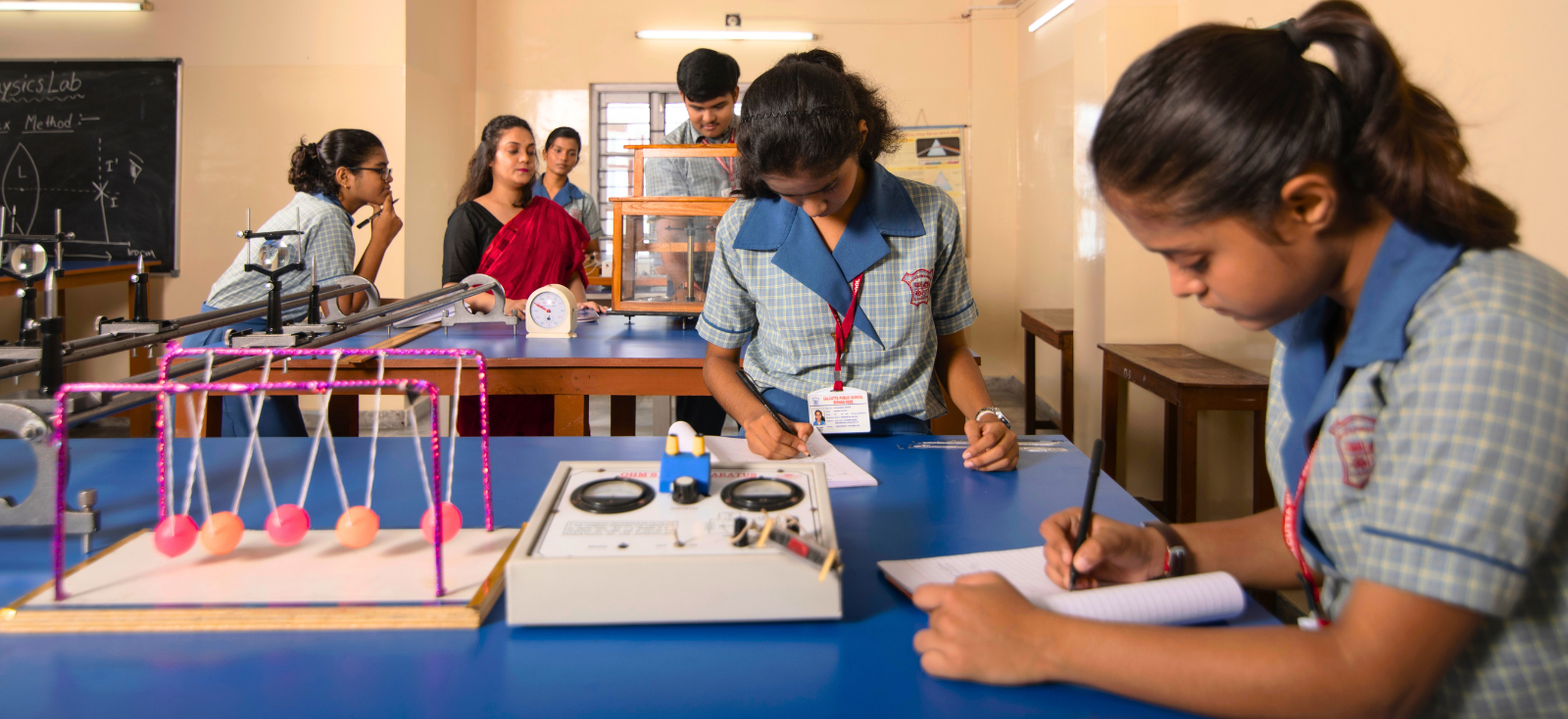
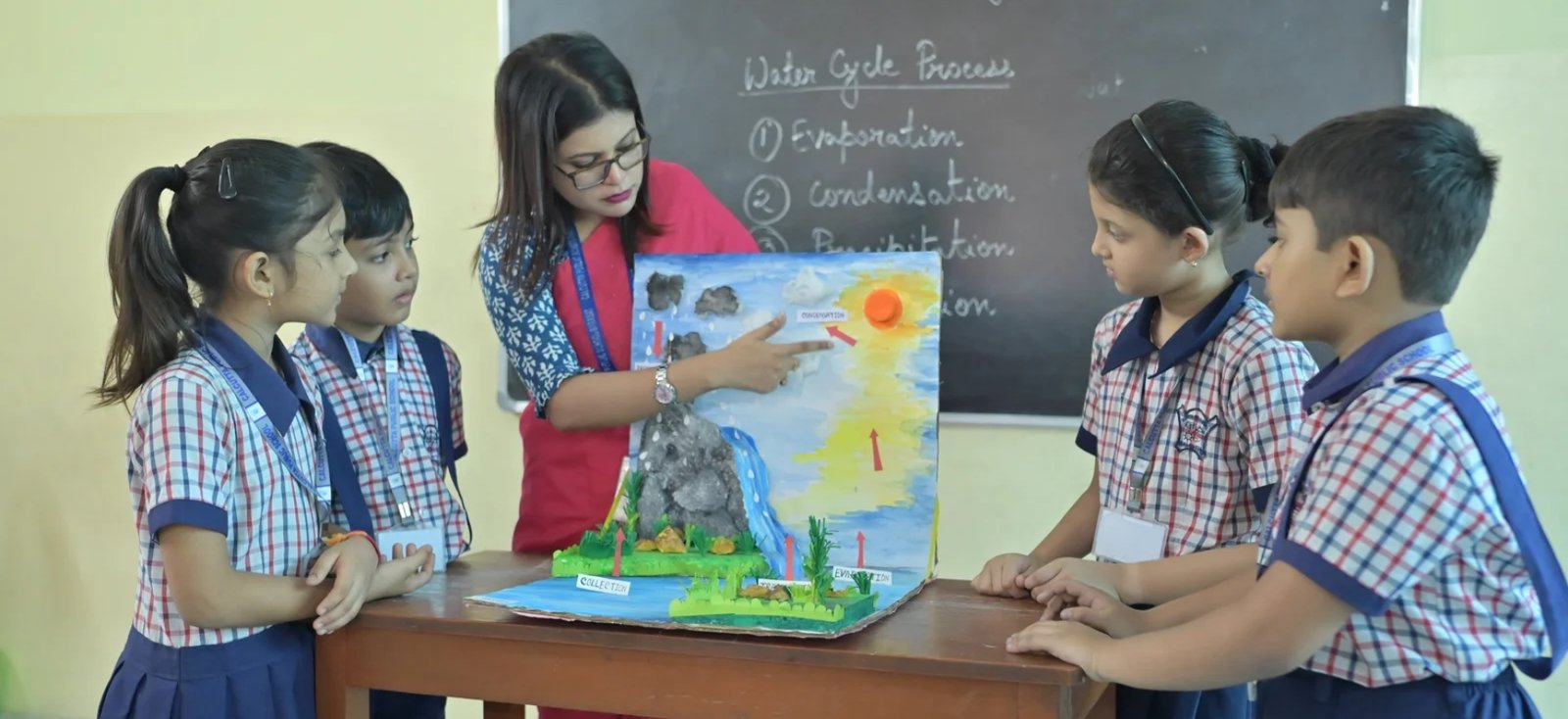
Group projects, science experiments, and sports teach children something that no individual assignment can: how to work with people who think differently. Navigating different opinions, dividing responsibilities, and producing a shared result are exactly the dynamics of every professional environment. Schools that intentionally build collaborative experiences give students a head start in this regard.
Whether it is heading a student council, leading a project group, or simply being the class monitor for a week, school offers countless entry points into leadership. These roles teach accountability, to a team, to a task, and to oneself. Student leadership is not about authority; it is about learning that your choices affect others, and that responsibility is something to be earned and honoured.
Children who move through school without ever failing, struggling, or facing disappointment are, paradoxically, at a disadvantage. It is the experience of difficulty, the bad result, the missed selection, the project that did not go to plan, that builds resilience. Schools that allow students to face age-appropriate challenges and support them through recovery are preparing them for the unpredictability of adult and professional life far more effectively than a perfectly smooth academic path would.
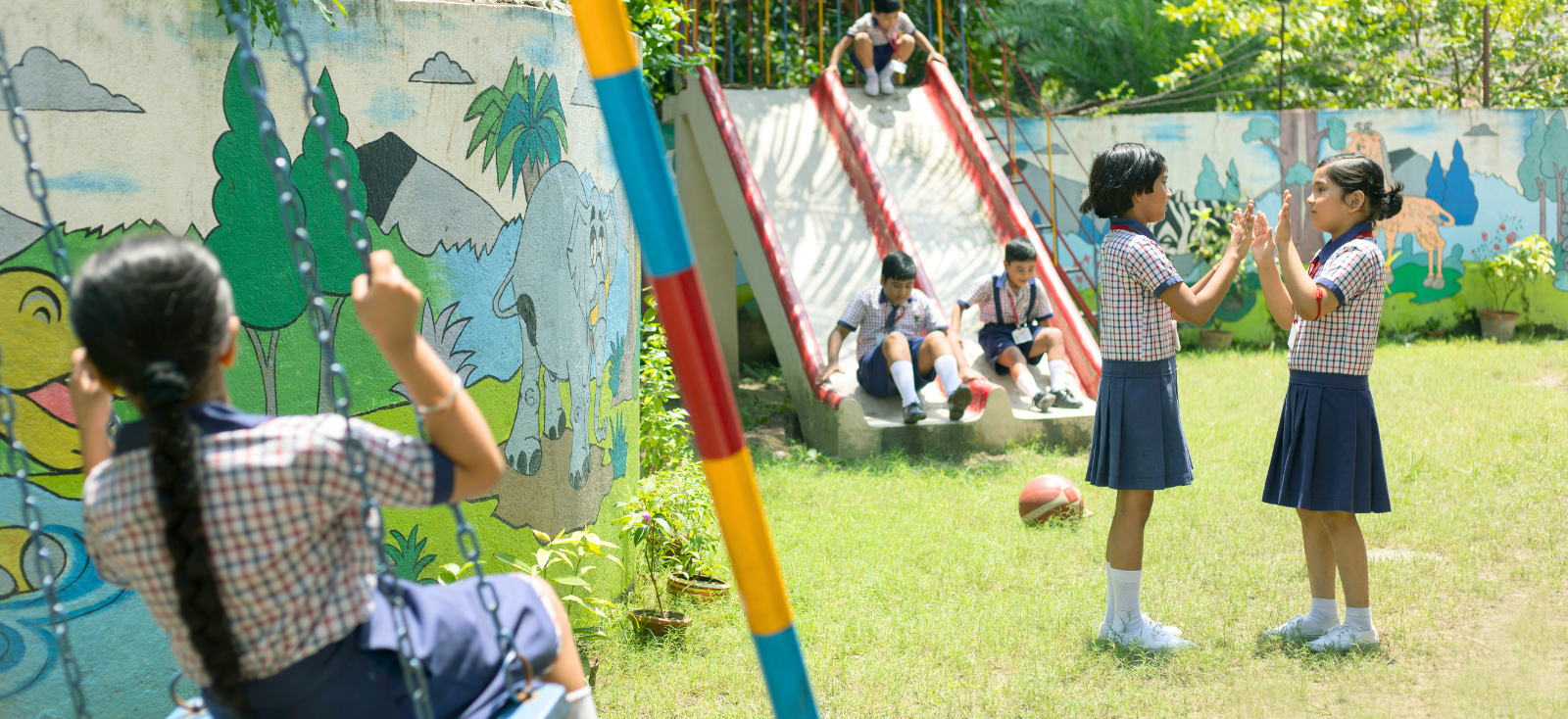
The child who scores well but has never stood on a stage, captained a team, or contributed to a community event is missing a significant dimension of personal development. Co-curricular activities, sports, cultural programmes, debates, science fairs, and community engagement, are not optional extras. They are where students discover who they are outside the classroom.
Sport builds physical discipline and teaches students to perform under pressure. A debate competition develops the ability to think on one's feet and listen critically. A science project cultivates intellectual curiosity and patience. A cultural programme reveals creative talents and builds the confidence to perform. Together, these experiences round out a student in ways that academic marks alone never can, and they often become the stories that students tell in interviews and personal statements years later.
The world that today's students will enter as professionals looks very different from the one their parents navigated. Careers that do not yet exist will require skills that are being developed right now. The school years are therefore not just about absorbing knowledge, they are about learning how to learn, so that adaptation becomes second nature.
Critical thinking, digital awareness, creativity, and emotional intelligence are the competencies that define career readiness in the twenty-first century. Schools that embed these into everyday learning, through inquiry-based teaching, technology integration, and collaborative problem-solving, give their students a genuine advantage. Equally important is fostering the habit of continuous learning: the understanding that education does not end with a school leaving certificate, but is a lifelong commitment to growth.
Choosing the right school is one of the most consequential decisions a parent will make. Academic standards and board results are important, but they should not be the only measure. Look for schools where teacher quality goes beyond subject expertise, where educators mentor, encourage, and genuinely invest in each student's growth.
Student support systems, counselling, learning assistance, and pastoral care, matter enormously. So do co-curricular opportunities, which signal whether a school truly values holistic student development or simply academic output. A safe, nurturing environment where children feel respected and motivated is not a luxury; it is a prerequisite for meaningful learning. Most importantly, look for values-based education: schools that teach honesty, empathy, and civic responsibility are shaping citizens, not just graduates.
The importance of school education cannot be measured by results alone. It is an investment, in knowledge, yes, but more profoundly in the skills, character, confidence, and habits of mind that determine how a child will face every challenge and opportunity ahead. Marks open doors, but the person who walks through them is shaped by everything that happened in the classroom, on the field, on the stage, and in every difficult moment that was met with resilience rather than retreat. As parents, the most empowering shift you can make is to choose schools and support learning journeys that develop the whole child, because that is the student the world truly needs.
School education builds the academic knowledge, thinking skills, and personal qualities that determine how well a person handles challenges, relationships, and opportunities throughout life. Beyond subject knowledge, it develops discipline, communication, resilience, and the capacity for continuous learning, all of which are essential for long-term success in any career or field.
Schools develop life skills through a combination of structured learning, collaborative activities, co-curricular programmes, and everyday social interaction. Group projects teach teamwork. Performances build confidence. Sports instil discipline. Even navigating a disagreement with a classmate teaches conflict resolution. These experiences, accumulated over years, form the practical toolkit students draw upon throughout their adult lives.
Employers consistently value communication, critical thinking, adaptability, teamwork, and problem-solving above technical knowledge alone. They look for candidates who can collaborate effectively, manage uncertainty, and continue learning on the job. These are precisely the qualities that a strong school education, academic and co-curricular combined, is designed to develop.
Extracurricular activities provide experiences that the academic curriculum alone cannot offer, performing under pressure, discovering hidden talents, learning to lose gracefully, and working towards a collective goal. They build confidence, creativity, and character in ways that are deeply personal and memorable. Universities and employers alike recognise these experiences as evidence of a well-rounded, motivated individual.
Parents can support holistic development by engaging with their child's school experience beyond report cards, attending events, asking about friendships and challenges, encouraging participation in activities, and modelling lifelong learning at home. Choosing a school that prioritises values alongside academics is itself one of the most impactful decisions a parent can make. At home, providing emotional support and celebrating effort over outcomes reinforces the growth mindset that schools work hard to cultivate.
How to Prepare Your Child for School Admissions in Kolkata...
Introduction: More Than Just Report Cards P...
How Parents and Schools Can Build Self-Confidence in Children...
How the ICSE Curriculum Builds Strong Conceptual Foundations from...